

How to choose a compact bedside table with outlets, cable access, and enough storage for the items you use nightly. This guide is written for readers updating a compact bedroom with phone, watch, lamp, and book storage and focuses on add charging convenience without creating cable clutter or blocking movement. Product categories are compared by fit and tradeoff rather than a made-up test score.
Quick answer
Measure the space beside the bed and the height of the mattress before choosing a nightstand. For a small bedroom, a 16- to 20-inch-wide table with a drawer, USB or USB-C ports, and rear cable access is usually more useful than a larger surface with no cable management.
Product categories to compare
These categories reflect the most important product differences for this decision. Use the retailer searches to compare current stock, dimensions, care instructions, and warranty terms.
Best overall
compact nightstand with USB-C
- Best for
- modern bedrooms with phones, watches, and a lamp
- Look for
- A 16- to 20-inch width, USB-C delivery, a lamp outlet, and rear cable access.
- Tradeoff
- Integrated electronics can fail before the furniture does.
Best for tighter spaces
wall-mounted floating shelf nightstand
- Best for
- rooms with no floor space beside the bed
- Look for
- Secure wall anchors, a 12-inch depth, and a cable notch near the back edge.
- Tradeoff
- Installation requires the right wall structure and leaves less storage.
Best value-minded choice
round pedestal bedside table
- Best for
- tight corners and rooms with changing furniture layouts
- Look for
- A small footprint, stable base, and protected top surface.
- Tradeoff
- A pedestal design usually has no drawer.
Fit the Bed and the Walking Path
Leave enough space to get in and out of bed and to open drawers. A narrow table can work beside a platform bed, but it should not force you to turn sideways. Measure from the wall to the mattress edge, then subtract the table width and a few inches for cables. If there is no room for a floor-standing table, consider a wall-mounted shelf or a headboard with integrated storage.
Choose the Right Charging Format
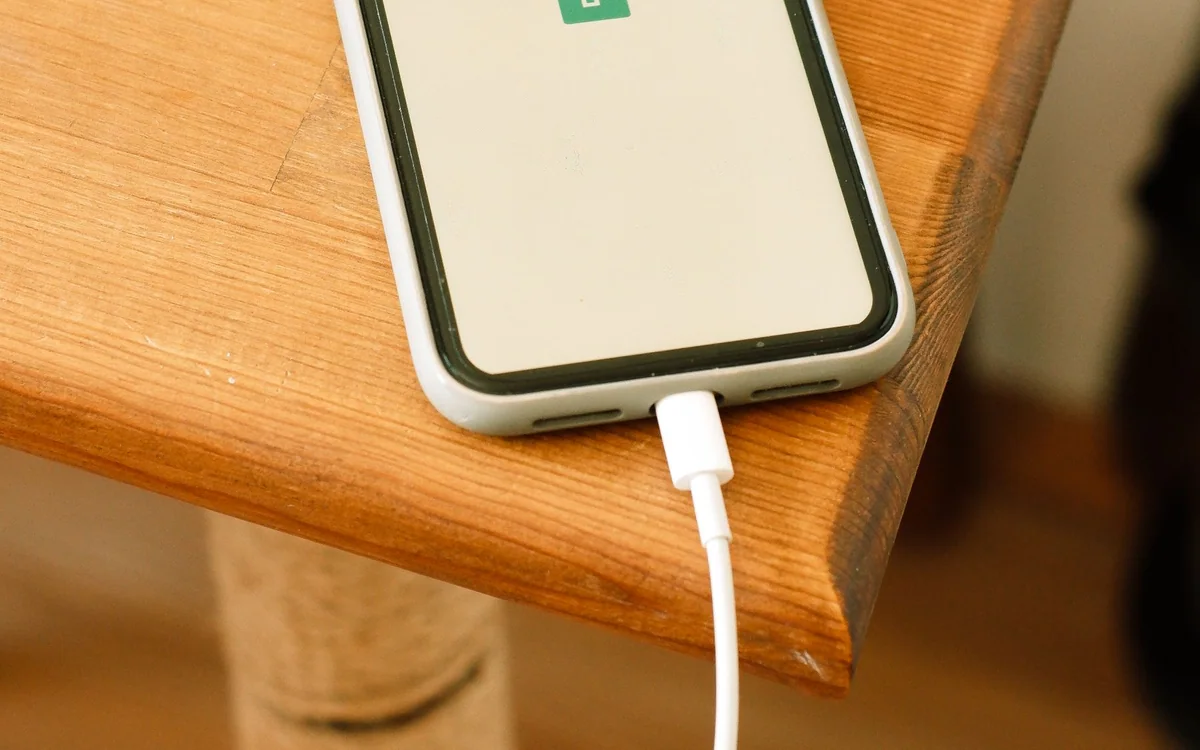
USB-A ports are common, but newer phones and watches may charge faster with USB-C Power Delivery. A built-in outlet can also be useful for a lamp, though it adds a power cord of its own. Check the port location: rear-facing ports can be awkward to reach. If you need multiple devices, a nightstand with a built-in charging hub and one accessible outlet is often more practical than a surface covered in loose adapters.
Prioritize Reachable Storage
One shallow drawer for reading glasses, medication, or a sleep mask is more useful than a deep cabinet packed with items you cannot find. Open shelves can hold books but collect dust. Soft-close drawers reduce noise, while a cutout or rear opening keeps cords from bending sharply. A nightstand on casters can be moved for cleaning, but locking wheels are important on hard floors.
Match the Bed Height and Room Style
A nightstand top near mattress height feels balanced and keeps a glass or lamp within easy reach. If the bed is tall, a low table can look and feel awkward. Finish materials should handle a cup of water and everyday use; a matte finish hides fingerprints better than high-gloss. Before buying, check the assembly requirements and whether the outlet is replaceable if the charging module fails.
Frequently asked questions
Are built-in USB ports safe to leave plugged in?
Reputable products with certified electrical components are designed for everyday use, but any electronics can fail. Keep the cable and port dry, avoid overloading the outlet, and follow the manufacturer's instructions.
What height should a nightstand be?
A top within a few inches of mattress height is a useful starting point. Personal reach and the height of the lamp also matter.
Can I use a regular side table as a nightstand?
Yes, if it is stable and the surface can handle daily use. Add a cable clip or a small charging station to control cords.
What to do next
Write down the room dimensions, the items that must fit, and the maintenance you are willing to repeat before choosing a product. The best purchase is the one that fits the space and the household routine, not merely the one with the longest feature list.