
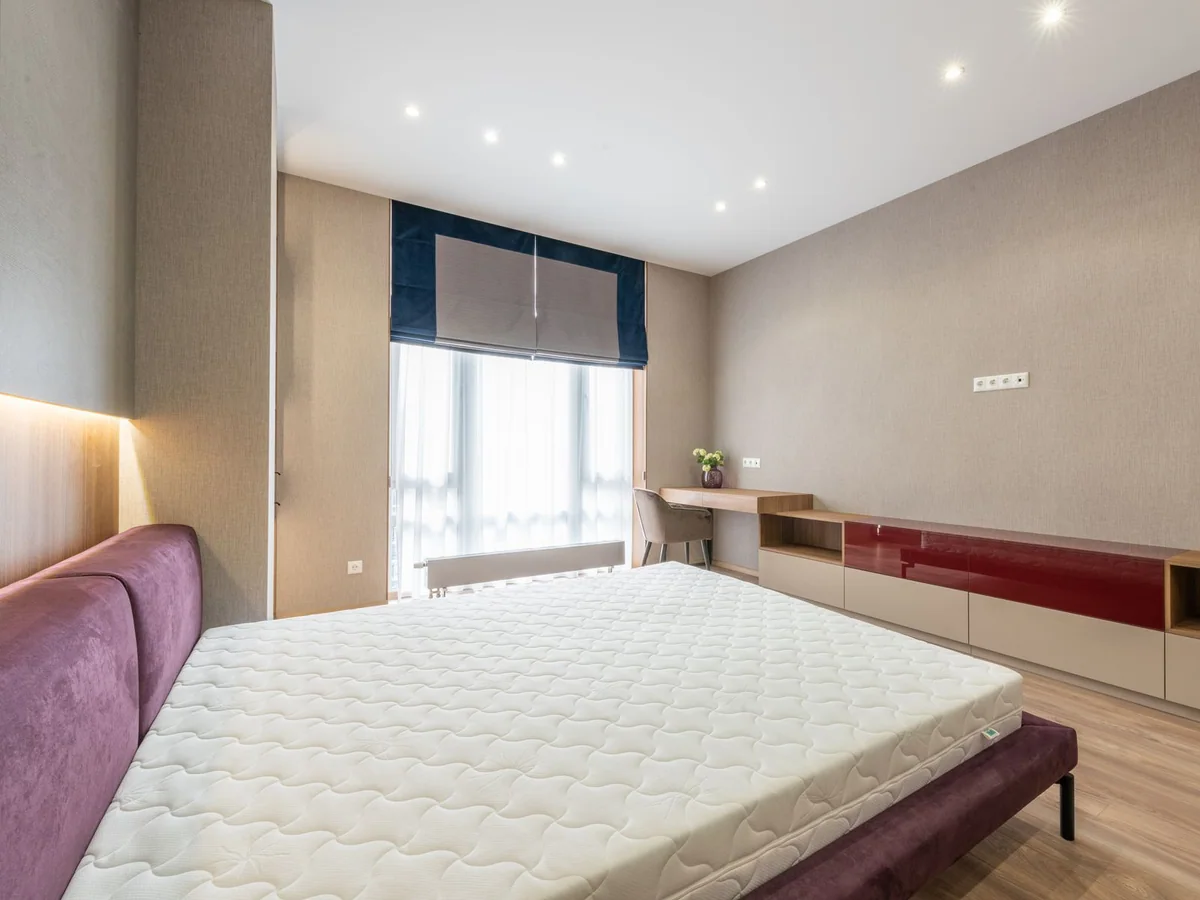
A protector guide covering waterproof layers, breathability, noise, fit, and the difference between encasements and pads. This guide is written for families buying bedding protection for children, pets, guests, or allergy relief and focuses on protect the mattress without creating heat, noise, or a poor fit. Product categories are compared by fit and tradeoff rather than a made-up test score.
Quick answer
Choose a fitted waterproof protector for spills and accidents, and a fully zippered encasement when allergen control is the priority. Confirm the mattress depth and whether the surface is quiet enough for daily sleeping.
Product categories to compare
These categories reflect the most important product differences for this decision. Use the retailer searches to compare current stock, dimensions, care instructions, and warranty terms.
Best overall
fitted waterproof protector
- Best for
- quick accident protection and everyday mattress care
- Look for
- Quiet surface, deep elastic pockets, and a machine-washable cotton or terry layer.
- Tradeoff
- Elastic can loosen with age, especially on very thick mattresses.
Best for tighter spaces
zippered allergen encasement
- Best for
- dust-mite or allergy-focused protection
- Look for
- A full six-sided fit, sealed zipper, and a breathable backing.
- Tradeoff
- Installation takes two people and can make some mattresses warmer.
Best value-minded choice
waterproof mattress pad with quilting
- Best for
- guest rooms that need a softer surface and basic spill protection
- Look for
- A fitted skirt, a quiet waterproof membrane, and a washable quilted top.
- Tradeoff
- Quilted pads are bulkier and may need more drying time.
Choose the Right Level of Protection
A fitted protector covers the top and upper sides of the mattress, which is enough for most spills and nighttime accidents. A six-sided zippered encasement covers the whole mattress and can be useful for allergies, bedbugs, or an older mattress that needs more protection. Encasements are more difficult to install and may feel warmer, so buy one only when the added coverage is needed.
Balance Waterproofing and Breathability
A thin polyurethane membrane can be waterproof and relatively quiet, while vinyl feels noticeably warmer and noisier. Look for a breathable backing or a cotton terry surface if heat is a concern. Waterproof does not mean the entire bed will stay dry if liquid sits at the zipper or edge for a long time. Blot spills promptly and wash the protector according to its label.

Check Fit Before the First Wash
Fitted protectors need deep pockets and strong elastic to stay in place. An undersized cover can compress the mattress; an oversized one creates wrinkles. If the bed has a topper, measure the combined depth. Zippered encasements should match the exact mattress dimensions and have a durable zipper guard. Wash the protector once before use so you know whether it changes size.
Make Replacement and Cleaning Realistic
Buy a protector that can be laundered in the same routine as the sheets. If the label requires special detergent or line drying, decide whether you will actually follow it. In a child's room, a spare protector for middle-of-the-night changes can be worth the extra cost. For a guest bed that is used occasionally, start with a reliable fitted protector and add an encasement only if allergies or storage conditions require it.
Frequently asked questions
Can a mattress protector cause overheating?
It can if the waterproof membrane is not breathable or if it is layered with a heavy pad. Choose a thin, breathable design and avoid adding unnecessary bedding layers.
How often should I wash a mattress protector?
Wash it monthly for ordinary use, after spills, and more often during allergy season or illness. Follow the care label to avoid damaging the waterproof layer.
Does a waterproof protector make a mattress feel plastic?
Some do, especially lower-cost vinyl options. A fitted design with a soft terry or knit surface is usually quieter and more comfortable for regular sleeping.
What to do next
Write down the room dimensions, the items that must fit, and the maintenance you are willing to repeat before choosing a product. The best purchase is the one that fits the space and the household routine, not merely the one with the longest feature list.