

A material comparison for people who wake up warm and want sheets that feel cool without becoming fragile. This guide is written for hot sleepers comparing bedding materials before replacing a full set and focuses on choose sheets that feel comfortable through the night and survive regular washing. Product categories are compared by fit and tradeoff rather than a made-up test score.
Quick answer
Breathable cotton and lyocell are the safest starting points for many hot sleepers. Bamboo viscose can feel cool at first, but weave, thread count, fit, and moisture management matter more than the fiber name alone.
Product categories to compare
These categories reflect the most important product differences for this decision. Use the retailer searches to compare current stock, dimensions, care instructions, and warranty terms.
Best overall
long-staple cotton percale sheet set
- Best for
- hot sleepers who prefer a crisp, matte feel
- Look for
- A percale weave, long-staple cotton, and fitted pockets deep enough for the mattress.
- Tradeoff
- Percale can feel less silky than sateen and may wrinkle.
Best for tighter spaces
lyocell blend sheet set
- Best for
- sleepers who want a smooth, cool hand and easy drape
- Look for
- A clearly stated fiber blend, breathable weave, and gentle-care instructions.
- Tradeoff
- Blends vary widely and may become less smooth with rough washing.
Best value-minded choice
bamboo-viscose sheet set
- Best for
- readers who want a soft, cool-feeling sheet and will follow careful laundering
- Look for
- A reputable fiber source, generous fitted depth, and a no-pill return policy.
- Tradeoff
- Heat and friction can cause pilling or shrinkage.
Look Beyond the Fiber Label
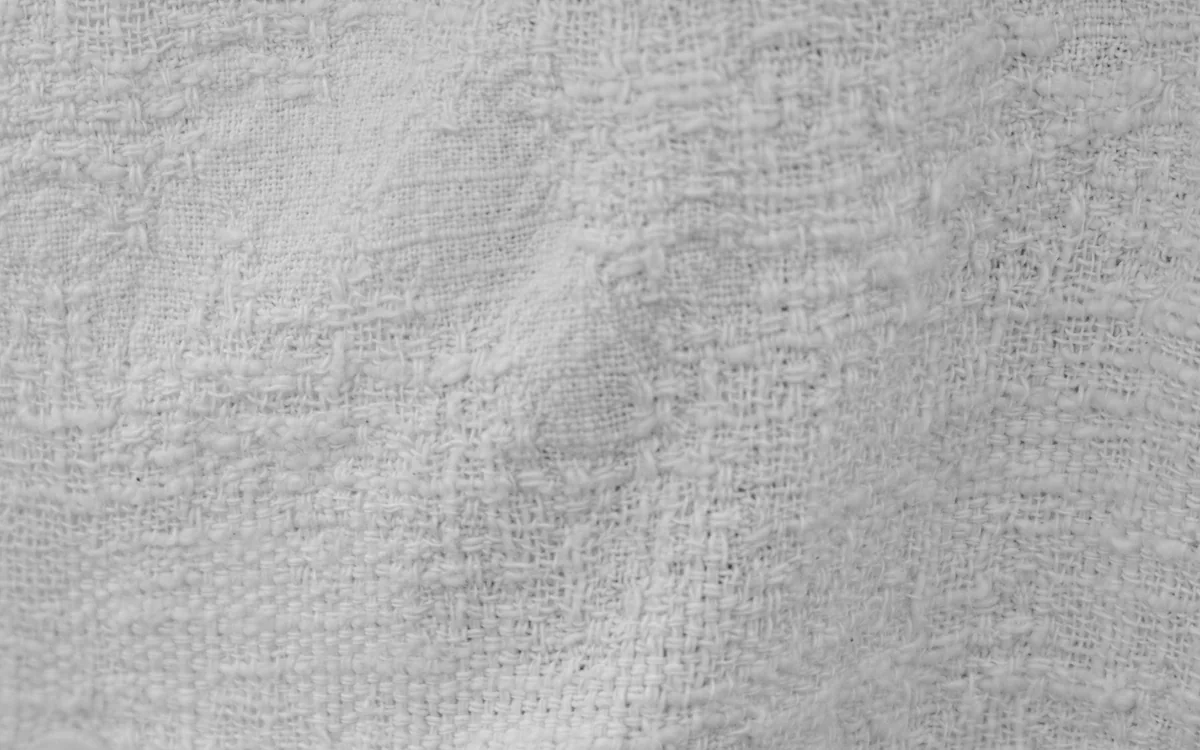
Cotton, bamboo viscose, and lyocell can all be woven into crisp, soft, or dense fabrics. Percale is a plain weave that feels airy and matte, while sateen feels smoother but may sleep warmer. A low-quality bamboo sheet can pill quickly; a long-staple cotton percale may feel cooler and last longer. Compare the weave, care instructions, and return policy instead of relying on a single fiber claim.
Match the Sheet to Your Sleep Pattern
If you sweat heavily, a moisture-wicking mattress protector and a light, breathable comforter may make a bigger difference than switching from cotton to bamboo. If you sleep cold but your partner sleeps warm, choose separate blankets rather than compromising on one sheet. A fitted sheet that pulls loose creates wrinkles and discomfort. Measure the mattress depth, including any topper, before ordering.
Understand Pilling, Shrinkage, and Care
Viscose from bamboo can be sensitive to heat, friction, and harsh detergent. Cotton generally tolerates warmer washing, but lower-quality short fibers may still pill. Wash new sheets before judging the fit, using the mildest setting allowed by the label. If a set arrives with a strong odor or rough finish, return it before repeated washing makes the issue harder to resolve.
Build a Cooler Bed in Layers
Start with the mattress protector, then choose sheets and a duvet that can be separated for different sleep temperatures. Consider a fan or a breathable pillow before spending more on a premium sheet set. The best cooling strategy is often a combination of airflow, moisture management, and blankets that can be adjusted during the night.
Frequently asked questions
Are bamboo sheets cooler than cotton?
It depends on the weave and the person. Bamboo viscose can feel cool against the skin, but a breathable cotton percale may manage heat and airflow better for some sleepers.
What thread count should I look for?
Thread count is not a reliable quality score by itself. Look for fiber quality, weave, finishing, and honest construction details rather than chasing a very high number.
How should I wash bamboo sheets?
Use the care label, generally with cool water and a gentle cycle. Avoid bleach and high heat, and dry on low or line dry if the manufacturer allows it.
What to do next
Write down the room dimensions, the items that must fit, and the maintenance you are willing to repeat before choosing a product. The best purchase is the one that fits the space and the household routine, not merely the one with the longest feature list.