
Compare radiant, ceramic, oil-filled, and infrared heaters by room size, safety, noise, and electricity use. This guide is written for renters trying to improve comfort without changing the building's heating system and focuses on choose a safer, appropriately sized supplemental heater. Product categories are compared by fit and tradeoff rather than a made-up test score.
Quick answer
Use a heater rated for the room and plug it directly into a wall outlet with enough circuit capacity. Ceramic or oil-filled heaters warm a small room gradually, while radiant heaters are better for spot warmth near a chair.
Product categories to compare
These categories reflect the most important product differences for this decision. Use the retailer searches to compare current stock, dimensions, care instructions, and warranty terms.
Best overall
ceramic fan heater with thermostat
- Best for
- small rooms that need quick warmth
- Look for
- A room-size rating, tip-over shutoff, and a thermostat that actually turns off at temperature.
- Tradeoff
- Fan noise can interfere with sleep.
Best for tighter spaces
oil-filled radiator heater
- Best for
- quiet bedrooms and steady background warmth
- Look for
- Castors that lock, a low surface temperature, and a clear timer.
- Tradeoff
- It warms slowly and remains warm after shutdown.
Best value-minded choice
radiant heater with oscillation
- Best for
- spot warmth near a chair or desk
- Look for
- A stable base, three-foot clearance, and automatic shutoff.
- Tradeoff
- It does not heat a whole room evenly.
Choose the Heating Style
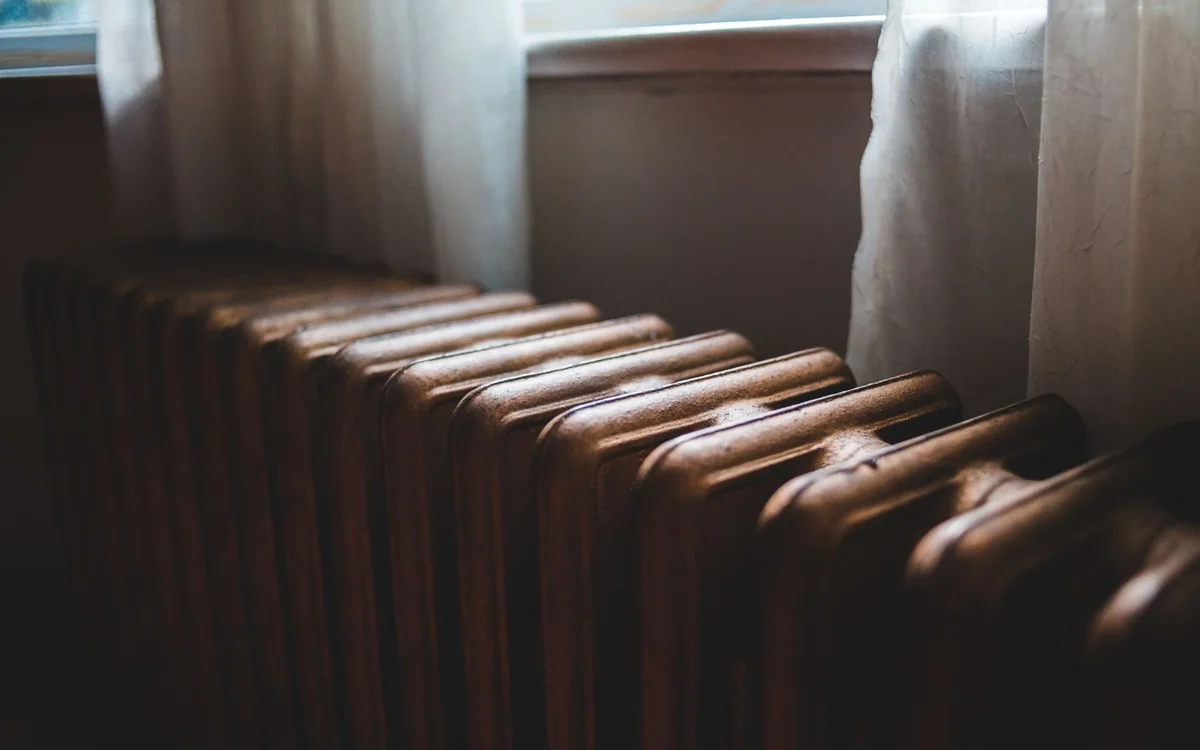
Radiant heaters warm objects and people nearby, so they work well in a drafty seating area. Ceramic fan heaters move warm air quickly but can be noisy. Oil-filled radiators warm a room slowly and quietly. Infrared panels are not the same as a whole-room furnace. Match the type to the time you spend in the room.
Check Power and Circuit Limits
A space heater can draw a large share of a circuit. Do not use an extension cord or power strip. Plug it directly into a wall outlet and avoid sharing the circuit with other high-draw appliances. If the breaker trips or the plug feels warm, stop using the heater and consult an electrician.
Use Elevation and Clearance
Keep the heater on a hard, level, nonflammable surface and at least three feet from curtains, bedding, furniture, and paper. Never dry clothing on a heater. Keep children and pets away, and use a tip-over shutoff and overheat protection when available. Place cords where they cannot become a trip hazard.
Improve Drafts Before Running More Heat
Door draft stoppers, window film, and thermal curtains can reduce heat loss without electricity. Close doors to unused rooms and open curtains during sunny hours. A space heater is best for temporary comfort, not for heating every room in an apartment.
Frequently asked questions
Can I leave a space heater on overnight?
Only if the manufacturer allows it and you follow every safety instruction. Many organizations recommend using a heater only while awake and attended.
Why does my space heater trip the breaker?
The circuit may be overloaded or the heater may have a fault. Unplug it and have the circuit evaluated before using it again.
Do space heaters save money?
They can be useful for heating one occupied room instead of the whole home, but electricity rates and heater wattage determine the actual cost.
What to do next
Write down the room dimensions, the items that must fit, and the maintenance you are willing to repeat before choosing a product. The best purchase is the one that fits the space and the household routine, not merely the one with the longest feature list.