
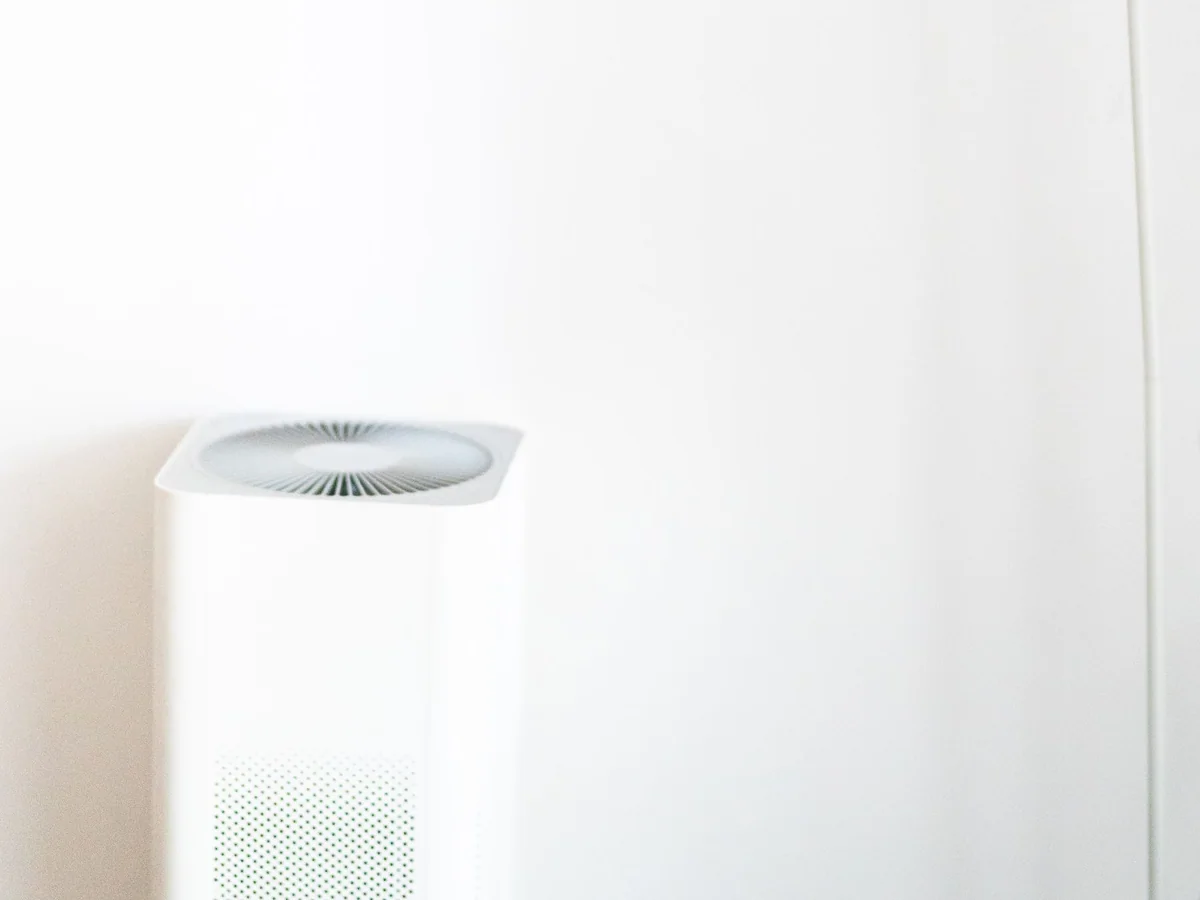
Choose between evaporative, ultrasonic, and steam humidifiers when mineral dust, noise, and cleaning are concerns. This guide is written for sleepers dealing with dry air, mineral dust, congestion, or static in a bedroom and focuses on add humidity safely without creating mess, mold, or constant cleaning. Product categories are compared by fit and tradeoff rather than a made-up test score.
Quick answer
An evaporative or warm-mist humidifier usually handles hard water with less white dust than an ultrasonic model. Match the tank and output to the room size, and clean the tank on the schedule in the manual.
Product categories to compare
These categories reflect the most important product differences for this decision. Use the retailer searches to compare current stock, dimensions, care instructions, and warranty terms.
Best overall
evaporative humidifier with wick filter
- Best for
- hard-water homes and bedrooms with ordinary noise tolerance
- Look for
- A replaceable wick, room-size rating, and easy tank access.
- Tradeoff
- The fan makes some noise and wicks need replacement.
Best for tighter spaces
ultrasonic humidifier with demineralization cartridge
- Best for
- quiet bedrooms where white dust can be controlled
- Look for
- A cartridge option, cool mist, and a tank that opens for cleaning.
- Tradeoff
- Cartridges add ongoing cost.
Best value-minded choice
warm-mist steam humidifier
- Best for
- nurseries and rooms where warm mist is preferred
- Look for
- A cool-touch housing, automatic shutoff, and a safe cord route.
- Tradeoff
- Hot water and higher energy use require careful handling.
Understand the Humidifier Types
Evaporative humidifiers use a fan and wick to release invisible moisture and often produce less white dust. Ultrasonic models are quiet but can spread minerals from hard water. Warm-mist steam humidifiers are hygienic when maintained but use more energy and can be hot. Choose based on the room, noise tolerance, and cleaning willingness.
Size the Room and Tank
Use the manufacturer's room-size guidance as a starting point, then consider ceiling height and air leakage. A larger tank reduces refills but takes more space and is harder to clean. A 1-gallon tank may be enough for a small bedroom, while a larger room may need more output. A hygrometer helps you avoid over-humidifying.

Reduce Mineral Dust
Distilled water can reduce white dust, but it may be expensive for daily use. Demineralization cartridges help some ultrasonic models. Evaporative wicks capture minerals and must be replaced. Never add essential oils unless the manufacturer explicitly allows them; oils can damage plastic and irritate lungs.
Clean for Safety and Comfort
Empty the tank, rinse it, and dry it according to the manual. Deep clean and descale on the recommended schedule. Place the humidifier on a stable surface away from electronics and fabric. Stop use if the room feels damp, windows condense heavily, or mold appears.
Frequently asked questions
What humidity level is comfortable in a bedroom?
Many health organizations suggest keeping indoor relative humidity in a moderate range, often around 30% to 50%. Use a hygrometer and avoid over-humidifying.
Can I use tap water in a humidifier?
Follow the manufacturer's instructions. Hard water can cause mineral dust in ultrasonic units even if the machine runs.
How often should I clean a humidifier?
Rinse daily and deep clean on the schedule in the manual. If the tank smells musty or has visible film, stop using it until it is cleaned.
What to do next
Write down the room dimensions, the items that must fit, and the maintenance you are willing to repeat before choosing a product. The best purchase is the one that fits the space and the household routine, not merely the one with the longest feature list.