

A low-friction paper management system for mail, school notes, warranties, and household records. This guide is written for households overwhelmed by mail, school papers, receipts, and manuals and focuses on create a simple paper system that prevents piles from taking over common areas. Product categories are compared by fit and tradeoff rather than a made-up test score.
Quick answer
Create four destinations: act, file, scan, and shred. Empty the mail landing spot weekly, keep active papers in one shallow tray, and store long-term documents in a labeled file box.
Product categories to compare
These categories reflect the most important product differences for this decision. Use the retailer searches to compare current stock, dimensions, care instructions, and warranty terms.
Best overall
stackable letter trays
- Best for
- daily mail and pending paperwork
- Look for
- A shallow profile, open front, and stackable clips.
- Tradeoff
- Open trays show clutter if they are not emptied weekly.
Best for tighter spaces
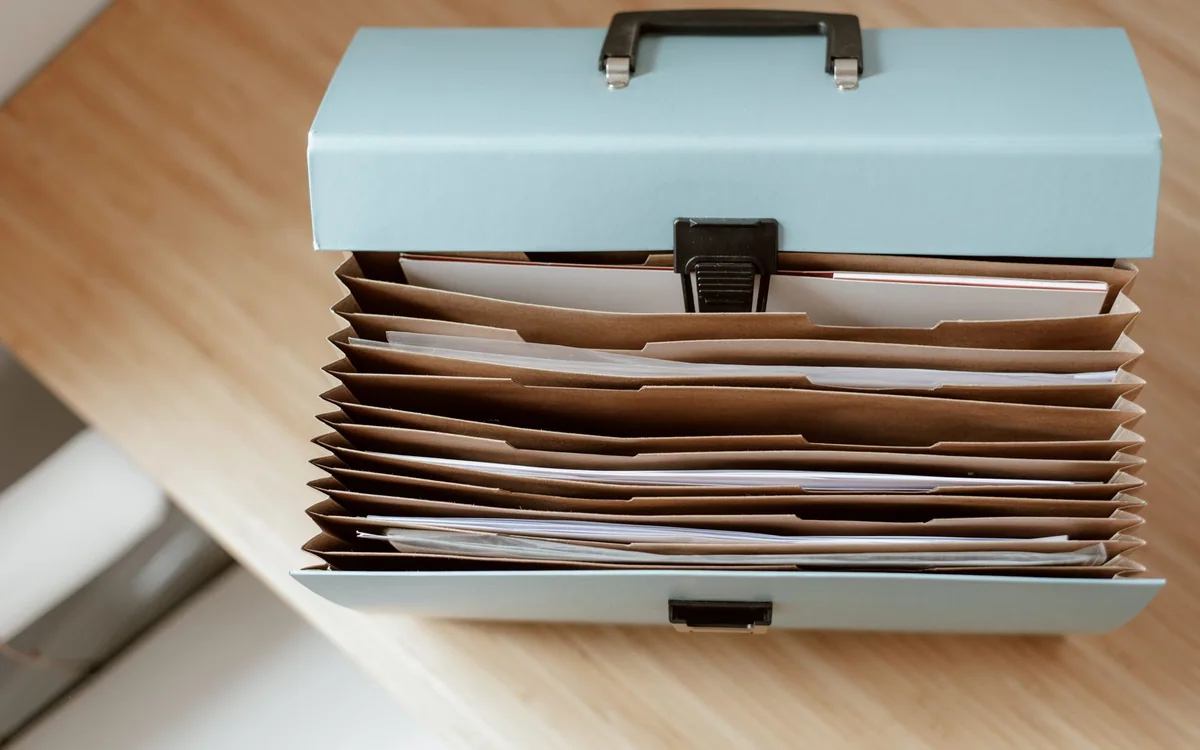
portable file box with lid
- Best for
- warranties and archived household records
- Look for
- A secure latch, hanging-file rails, and a label on the front.
- Tradeoff
- A full box becomes heavy and must still be organized by category.
Best value-minded choice
personal cross-cut shredder
- Best for
- sensitive mail and financial documents
- Look for
- A cross-cut rating, sensible sheet capacity, and a bin that is easy to empty.
- Tradeoff
- Shredders need regular oiling and can jam with staples.
Catch Paper at the Entry
Put one shallow tray or wall pocket where mail enters the home. Do not create a second pile in the kitchen. Sort the tray at a set time each week, opening envelopes and removing anything that does not need action. The sooner a paper is handled, the less likely it is to become permanent clutter.
Use Four Destinations
Act contains bills, forms, invitations, and items requiring a reply. File contains records that must be kept. Scan contains items that can be digitized and shredded after verification. Shred contains sensitive material waiting for the next shredding session. Label each destination clearly and keep the active pile small.
Create a Household Index
Write down where warranties, insurance documents, tax records, and important certificates live. A simple index prevents a search through every drawer during an emergency. Store digital scans with descriptive file names and a backup location. Keep original documents when a government agency or financial institution requires them.
Review and Purge
Once a quarter, review the file box and shred outdated items according to retention guidance. Check children's school papers monthly and photograph artwork instead of keeping every sheet. The goal is not zero paper; it is a system that gives important documents a known home.
Frequently asked questions
How long should I keep household documents?
Retention rules vary by document type and jurisdiction. Check current guidance from tax authorities, financial institutions, and legal advisers rather than relying on a single rule.
Should I scan every receipt?
Scan receipts for purchases that may need a warranty claim, tax documentation, or reimbursement. Everyday receipts can usually be discarded after the return window.
How do I handle school papers?
Keep current action items in a tray, photograph memorable work, and recycle the rest after discussing which pieces matter to the child.
What to do next
Write down the room dimensions, the items that must fit, and the maintenance you are willing to repeat before choosing a product. The best purchase is the one that fits the space and the household routine, not merely the one with the longest feature list.