
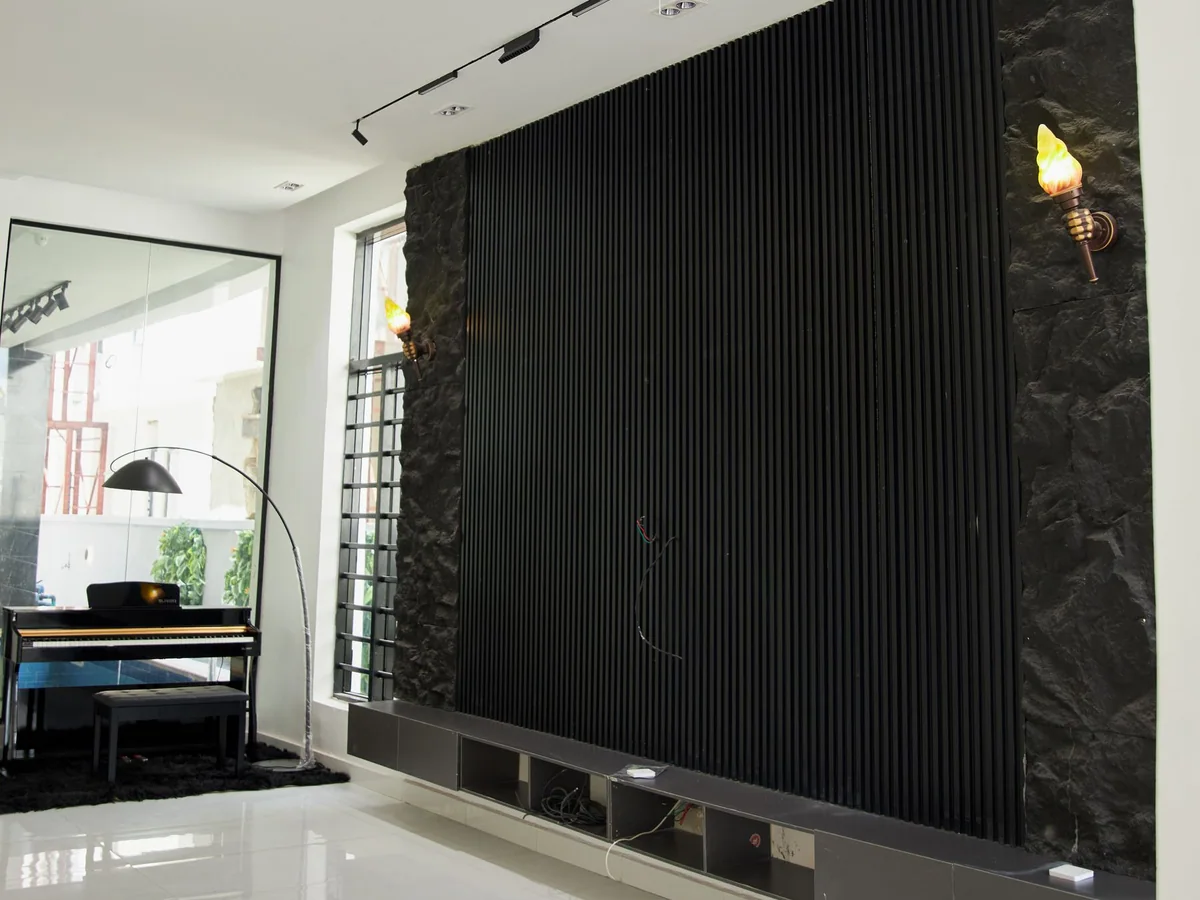
A practical layout process for rooms where the television, seating, and conversation area all compete for attention. This guide is written for households trying to arrange a shared living room for both screen time and guests and focuses on create a dual-purpose layout without making the television the only focal point. Product categories are compared by fit and tradeoff rather than a made-up test score.
Quick answer
Place the television at a comfortable viewing angle first, then create a conversation grouping with the primary seats rather than pushing every chair against a wall. In most rooms, a 10- to 12-foot viewing distance and a 30- to 40-inch walkway are more useful starting points than a perfect symmetrical arrangement.
Product categories to compare
These categories reflect the most important product differences for this decision. Use the retailer searches to compare current stock, dimensions, care instructions, and warranty terms.
Best overall
swivel accent chairs
- Best for
- rooms with two viewing directions and limited floor space
- Look for
- A compact base, controlled swivel, and fabric that does not show every footprint.
- Tradeoff
- Swivel mechanisms add weight and may have a shorter warranty.
Best for tighter spaces
low-profile media console
- Best for
- televisions that need ventilation and cable storage
- Look for
- Open or adjustable shelving, rear cable access, and a height that keeps the screen comfortable.
- Tradeoff
- Open shelves collect dust and can look busy without baskets.
Best value-minded choice
round nesting coffee table
- Best for
- conversation areas with a busy walking path
- Look for
- A stable base, rounded edge, and a size that leaves 14 to 18 inches of knee space.
- Tradeoff
- A small table may not hold large trays during entertaining.
Map the Room Before Moving Furniture
Sketch the room with doors, windows, heat sources, and electrical outlets. Mark the path from the entry to each exit, then draw a shaded zone for the main seating area. If a route cuts through the conversation circle, the furniture will be moved every time someone enters. A floor plan does not need to be architectural; a sheet of graph paper and painter's tape are enough to test realistic clearances.
Set the Television for the Whole Room
A television can be placed on a low console or wall-mounted at a comfortable viewing height. Keep the center of the screen near seated eye level and avoid placing it above a fireplace if that creates neck strain. A swivel mount can help a room that serves two viewing positions, but it should not become a wiring hazard. Route cables behind the console or through a removable channel rather than across the floor.
Build a Conversation Zone Around the Screen
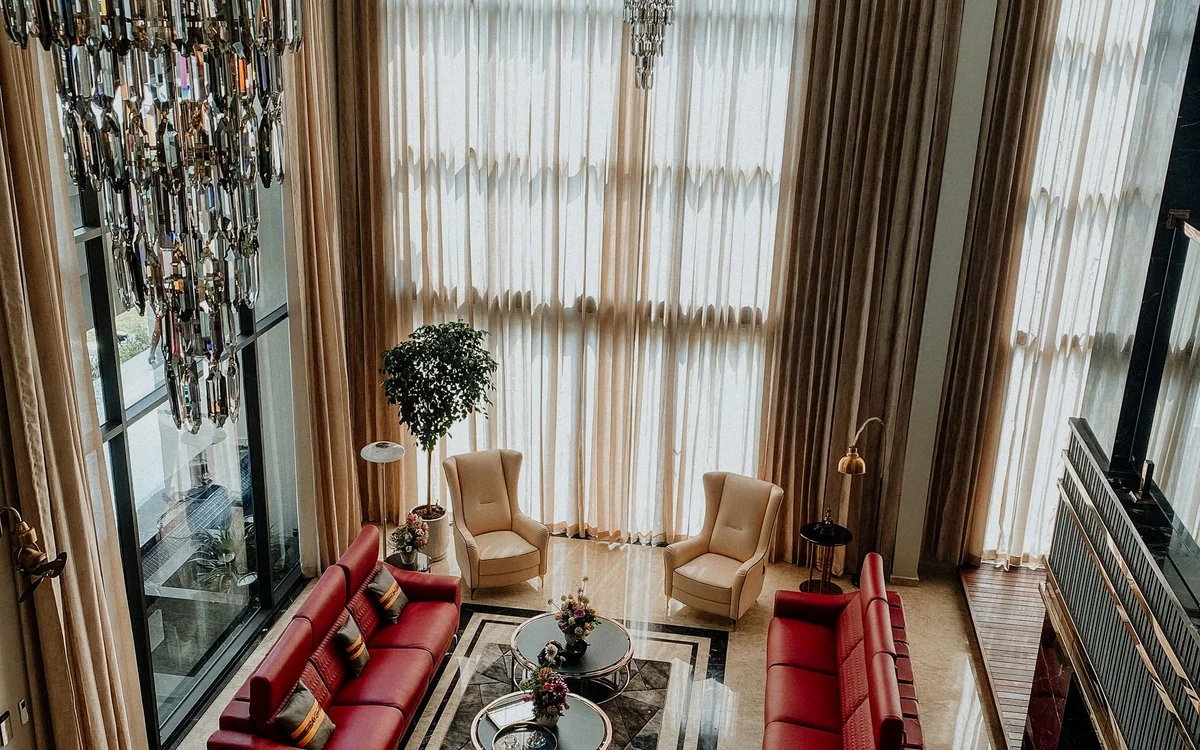
Use a sofa as the main anchor and add two chairs at an angle instead of creating a row of seats. Leave enough space for people to turn toward one another. A round or oval coffee table softens a tight circulation path, while a slim console behind the sofa can hold lamps and charging cables. If the room is very narrow, try a pair of swivel chairs so the same seats can face the television or the guest.
Test Light, Sound, and Storage
Television glare is easier to solve before a wall mount or console is purchased. Consider blinds, a swivel stand, or a different screen orientation. Sound reflects off bare floors and large windows, so a rug and curtains can reduce echo. Finally, give remotes, games, and charging cables a labeled home within reach. A layout that has no landing spot for daily items will not stay organized.
Frequently asked questions
Should the television be centered on the main wall?
It is often the easiest arrangement, but not the only good one. A slight angle can work better in a long room if it keeps the seating group comfortable and the walkways clear.
How do I stop a living room from feeling like a cinema?
Use layers of lighting, a rug, a side table, and at least one chair angled away from the screen. The television can remain functional without becoming the only object in the room.
Is a sectional always best for a family room?
No. A sectional is efficient when the room has a clear corner, but it can reduce flexibility and block circulation. Separate seating may work better in a rental or a room used for multiple activities.
What to do next
Write down the room dimensions, the items that must fit, and the maintenance you are willing to repeat before choosing a product. The best purchase is the one that fits the space and the household routine, not merely the one with the longest feature list.