
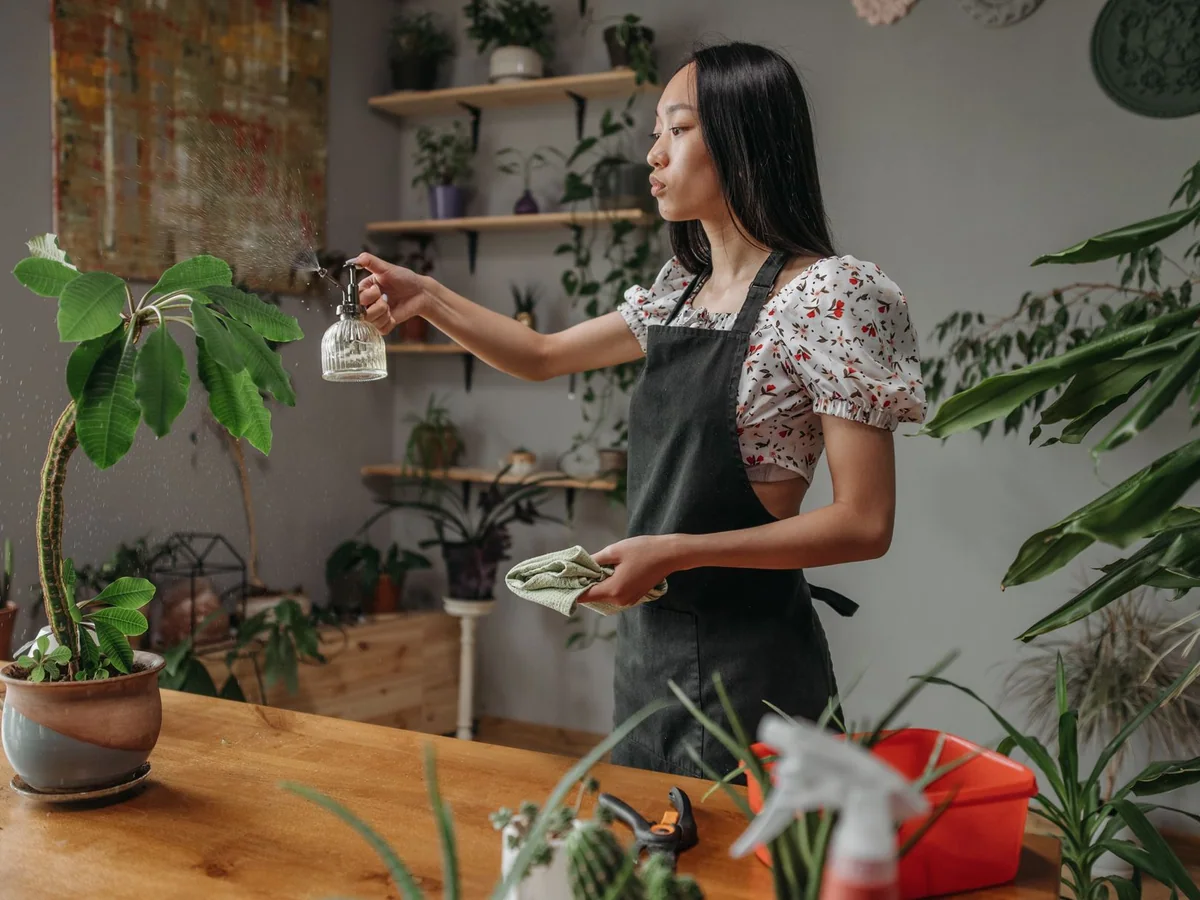
Compare countertop hydroponic kits, soil-based planters, and simple grow lights for kitchens that lack a sunny window. This guide is written for home cooks who want fresh herbs indoors without a sunny south-facing window and focuses on choose an indoor herb system that fits the counter and the household routine. Product categories are compared by fit and tradeoff rather than a made-up test score.
Quick answer
If the kitchen has little natural light, choose a kit with a built-in adjustable grow light and a refillable water reservoir. Soil-based kits are simpler to refill, while hydroponic kits often grow faster but need more monitoring.
Product categories to compare
These categories reflect the most important product differences for this decision. Use the retailer searches to compare current stock, dimensions, care instructions, and warranty terms.
Best overall
hydroponic herb garden with adjustable light
- Best for
- low-light kitchens and users who will monitor water levels
- Look for
- A timer, height-adjustable light, refillable reservoir, and available replacement pods.
- Tradeoff
- Pump and reservoir maintenance can be more involved.
Best for tighter spaces
soil-based countertop herb kit
- Best for
- beginners who prefer a familiar watering routine
- Look for
- A drainage tray, compact pots, and a full-spectrum light if natural light is low.
- Tradeoff
- Overwatering can cause gnats and root rot.
Best value-minded choice
single-pot herb grow light
- Best for
- small kitchens and cooks who use one herb at a time
- Look for
- A stable base, adjustable arm, and a bulb that can be replaced.
- Tradeoff
- A single pot limits variety.
Estimate Light and Counter Space
Most culinary herbs need several hours of strong light. A low-light kitchen may need a grow light rather than a window. Measure the counter depth and height under the cabinets. A kit that fits under a cabinet can still block a power outlet or splash zone. Choose a size that matches the number of herbs you will actually use.
Compare Hydroponic and Soil Kits
Hydroponic kits use water and nutrients and can produce fast growth, but pumps and reservoirs need maintenance. Soil kits are forgiving and familiar, though they may attract fungus gnats if overwatered. A simple pot with a grow light can be the most flexible option. The best system is the one whose refills and cleaning process you will keep up with.
Choose Herbs With Similar Needs
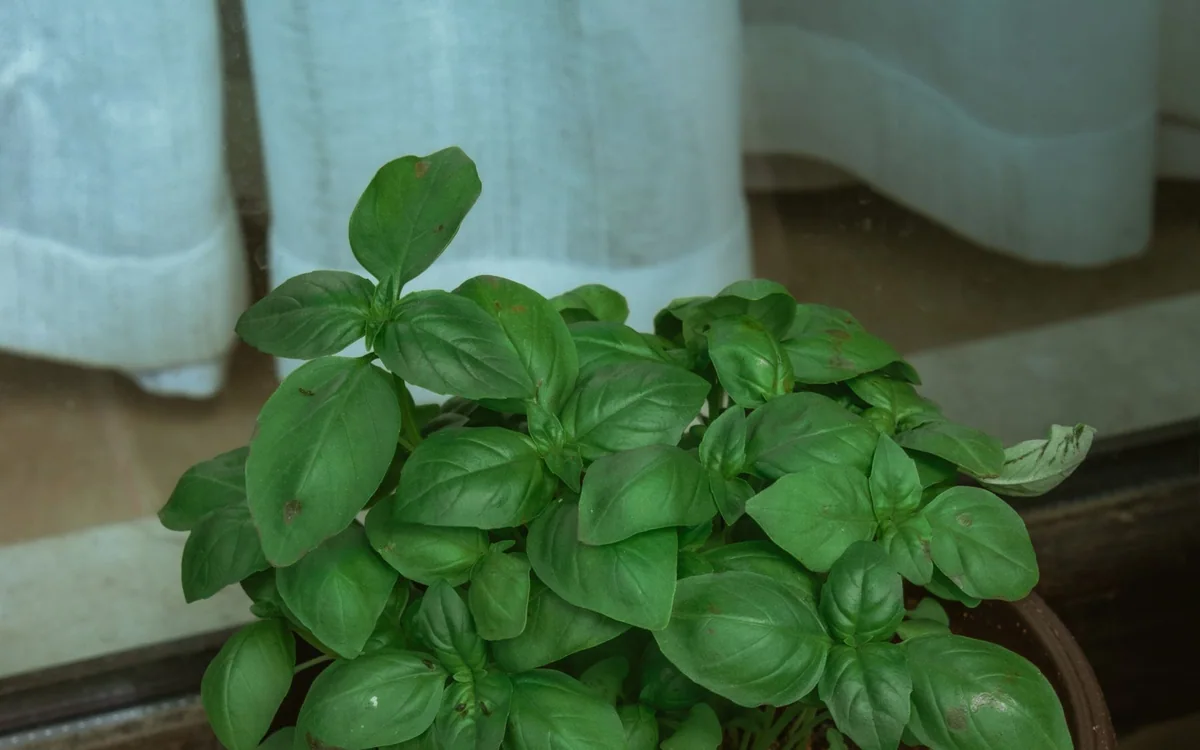
Basil, mint, and parsley have different water and light preferences. Mixing them in one small reservoir can lead to one plant dominating. Plant compatible herbs together or use separate pods. Start with varieties described as compact or kitchen-friendly. Harvest from the top to keep plants bushy.
Plan Cleaning and Refills
Empty and rinse reservoirs on the schedule in the manual. Trim roots if the kit requires it and remove dead leaves promptly. Keep the light on a timer and adjust the height as plants grow. If the system uses proprietary pods, estimate the ongoing cost before committing.
Frequently asked questions
Can herbs grow without a window?
They can with a suitable full-spectrum grow light. The light must provide enough intensity and duration for the specific herb.
Why are my indoor herbs leggy?
Insufficient light is a common cause. Lower or increase the grow light according to the kit instructions, and rotate the plants.
How often should I change the water?
Follow the kit's instructions. Many hydroponic systems need regular water changes or top-ups and periodic cleaning to prevent odors.
What to do next
Write down the room dimensions, the items that must fit, and the maintenance you are willing to repeat before choosing a product. The best purchase is the one that fits the space and the household routine, not merely the one with the longest feature list.