
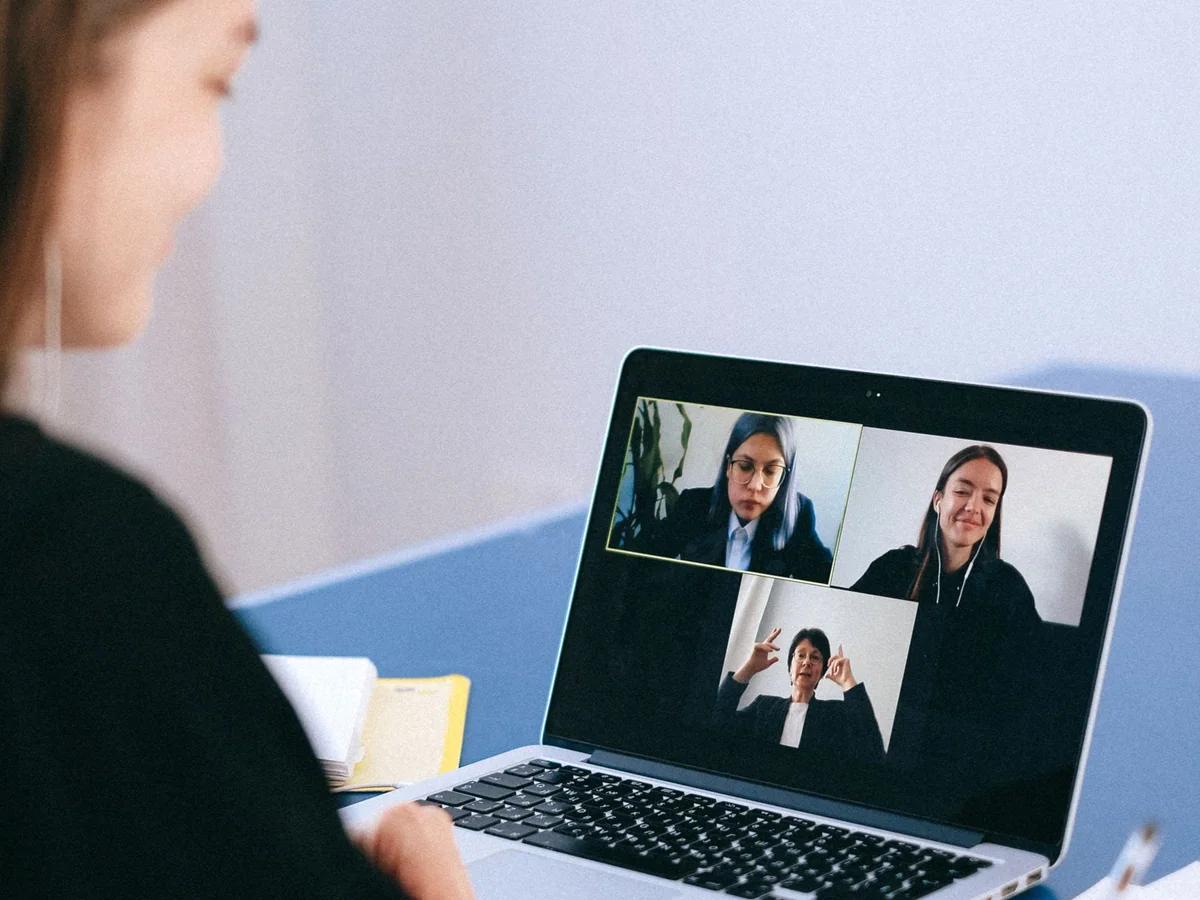
Light the face, desk, and background so video meetings look natural without a professional studio. This guide is written for remote workers who want better video presence without installing studio equipment and focuses on improve face and desk visibility while keeping the room comfortable. Product categories are compared by fit and tradeoff rather than a made-up test score.
Quick answer
Place a soft, diffuse light in front of you at about eye level, control bright windows behind you, and avoid a single harsh overhead light. A warm-neutral desk lamp plus a small fill light is enough for most home offices.
Product categories to compare
These categories reflect the most important product differences for this decision. Use the retailer searches to compare current stock, dimensions, care instructions, and warranty terms.
Best overall
diffused LED desk lamp
- Best for
- video calls and focused work at the same desk
- Look for
- A wide diffuser, adjustable color temperature, and a head that can sit near eye level.
- Tradeoff
- A small panel may not light the whole room.
Best for tighter spaces
softbox-style fill light
- Best for
- rooms with poor window placement or dark backgrounds
- Look for
- A diffused front panel, low minimum brightness, and simple clamp or stand options.
- Tradeoff
- Large light stands can be inconvenient in a small room.
Best value-minded choice
dimmable floor lamp with shade
- Best for
- living-room offices that need atmosphere after work
- Look for
- A warm-neutral bulb, stable base, and shade that directs light without glare.
- Tradeoff
- Floor lamps can create shadows if placed too far behind the camera.
Find the Camera Direction
Place your main light slightly to one side of the camera and above eye level. A diffused panel or shaded lamp is less harsh than a bare bulb. If you wear glasses, move the light until reflections disappear. A small white wall or curtain can act as a soft reflector on the shadow side of the face.
Control Windows and Overhead Light
A bright window behind you makes the camera underexpose your face. Close blinds partially, move the desk, or add a brighter front light. Overhead light can cast shadows under the eyes and nose. Use it at a low level or add a lamp with a wide shade to fill the room.
Balance Color Temperature
Mixing warm lamps and cool daylight can make skin tones look uneven. Choose bulbs or LED settings close to one another and let the camera adjust. A light around 3000K to 4000K is a practical range for many home offices. Test a recording rather than judging from the live preview alone.
Keep the Background Calm
Light the wall behind you enough to separate from it, but avoid a bright hotspot. Remove sources of glare such as glossy posters or glass. A small lamp, a plant, and a simple shelf provide depth without distracting from your face.
Frequently asked questions
Should I sit facing a window during video calls?
Facing a window can work if it is not so bright that the camera exposes only the window. Balance daylight with a room light and adjust blinds as the day changes.
Is a ring light necessary?
No. A diffused desk lamp or panel can provide more natural-looking light. Ring lights are useful for specific looks but can flatten a room.
What color temperature is best for video?
Use a consistent warm-neutral setting, often around 3000K to 4000K, and avoid mixing extreme warm and cool sources in the same shot.
What to do next
Write down the room dimensions, the items that must fit, and the maintenance you are willing to repeat before choosing a product. The best purchase is the one that fits the space and the household routine, not merely the one with the longest feature list.